Hotel-Caliber Lighting for Everyday Living

Layered Light that Welcomes and Works
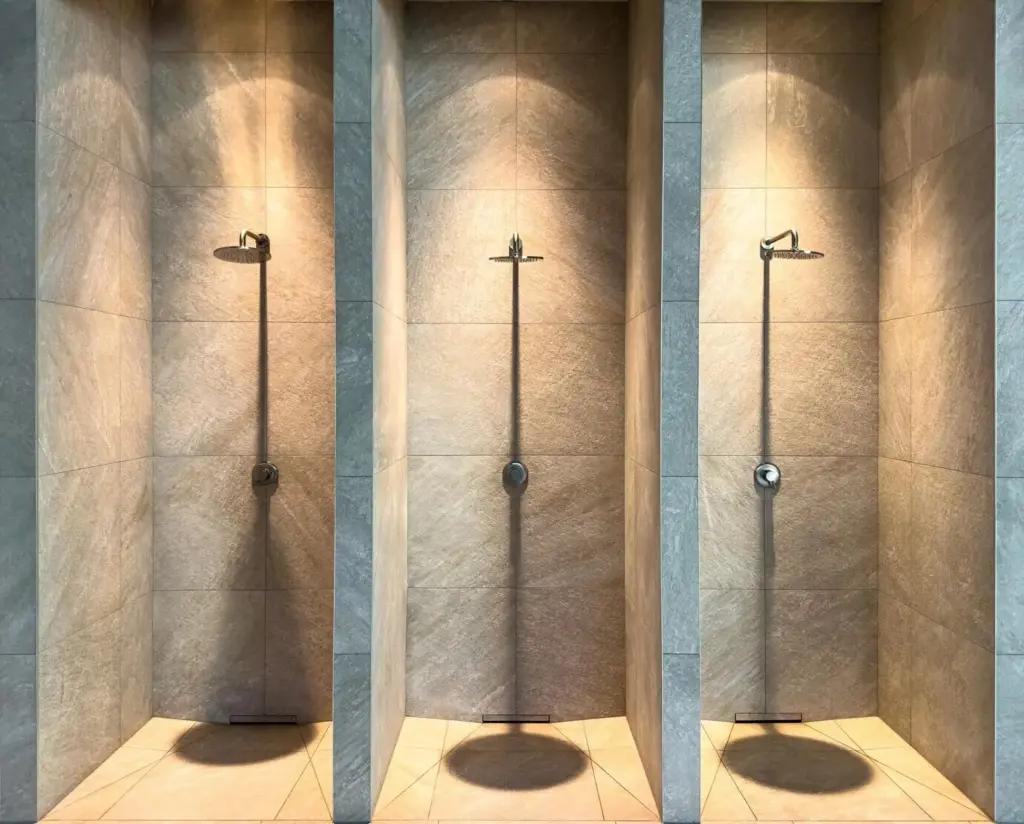

Color Temperature and Rendering You Can Feel
Scenes and Controls that Disappear into Daily Life
Programmed Moments, Human Results
Create three or four scenes that map to everyday life rather than abstract percentages. A friend once programmed “Company” before a dinner party—ambient at 40 percent, accents at 60, task off, pendants warm and low—and the conversation never stalled. Start with defaults, then live with them for a week and adjust. Hospitality teams iterate constantly; you can, too. Invite feedback from family and guests, and save their favorites. Lighting becomes a shared ritual, not a chore.
Smooth, Silent Dimming Down to 1%
The magic happens at the bottom of the curve. Choose dimmers and drivers that truly reach one percent without flicker, stepping, or buzz. Verify driver compatibility for your LED modules, and enable low-end trim so lights turn on reliably at gentle levels. Hotels invest here because imperfections ruin mood fast. At home, that same polish pays off daily—during bedtime reading, late-night tea, or quiet music. When the fade feels like silk, the room feels undeniably luxurious.
Architectural Techniques that Shape Space
Grazing Texture for Drama Without Glare
Push light close to brick, stone, or fluted wood and aim along the surface to reveal micro-shadows that make texture come alive. Keep output modest; subtle contrast feels expensive while harsh hotspots read cheap. Hospitality bars use this to animate walls behind seating, creating depth without screen glare. Try a low-watt linear grazers or adjustable spots from a track, then dim until the wall whispers rather than shouts. Suddenly, an ordinary surface becomes your room’s quiet signature.
Wall Washing to Bounce the Room Wider
Even, gentle wall washing brightens vertical planes, making small spaces feel open and breathable. Use dedicated wall-wash optics or wide floods positioned to overlap patterns cleanly. Avoid hot spots near the top; aim for soft, consistent gradients. Hotels love this along corridors and in lounges where calm visibility matters. Pair with a slightly darker ceiling for a grounded horizon, then layer accents selectively. The psychological effect is immediate: more perceived area, more confidence moving through it, more ease.
Beam Angles and Focal Hierarchy
Direct attention with intention. Narrow beams around 10–15 degrees carve drama on sculptures or floral arrangements; 25–40 degrees suit medium artwork; 60 degrees plus handles broader washes. Establish a focal hierarchy—hero, supporting, ambient—so eyes know where to land. Hospitality lobbies orchestrate this superbly, saving sparkle for key features. At home, pick one or two focal points per room. Dim them slightly brighter than background and watch conversations settle naturally around beauty you curated with purpose.
Fixtures, Finishes, and Placement that Feel Considered
Sconces that Flatter Faces and Walls
Use sconces with opal diffusers or double-shaded designs that cast both up and down for gentle modeling of faces and architecture. Mount near eye level—about sixty inches to center in many homes—to prevent glare while creating enveloping glow. Hotels rely on these to soften corridors and seating nooks. At home, flank a bookshelf or console to anchor a vignette. Test with selfies and reading glasses; when faces look relaxed and walls feel velvety, you’ve nailed it.
Pendants that Serve Conversations
Scale pendants to the furniture, not the room. Over a dining table, aim for thirty to thirty-six inches from surface to bottom of shade, then adjust for sightlines across guests. Choose warm-dim sources and fabric or frosted diffusers to eliminate hard shadows on plates. In kitchens, use multiple smaller pendants for even light rather than one blinding statement. Hospitality dining rooms perfect this balance so silverware sparkles while eyes stay comfortable. Your meals deserve that careful, convivial glow.
Portable Lamps Add Flexibility and Warmth
Table and floor lamps are hospitality’s secret for human-scale comfort. Try rechargeable portables for balcony drinks or low coffee tables where cords annoy. Select shades that hide the bulb from sitting and standing positions, and choose warm color temperatures for intimacy. Move lamps seasonally to rebalance evenings as daylight shifts. A single well-placed lamp can rescue a dark corner, invite reading, and add sculptural presence by day. Keep spares for parties, and watch conversation clusters form naturally.
Sustainability, Safety, and Care That Last
Comfort for Tired or Aging Eyes
As we age, pupils shrink and glare sensitivity rises. Increase vertical illumination gently rather than blasting the floor. Use indirect light, matte finishes near sources, and layered scenes with smooth fades. Contrast should guide, not punish. Place night pathways at ultra-low levels to prevent wakefulness. Hotels target accessibility through careful brightness ratios; copy that logic at home. Ask older visitors to try evening scenes and share honest impressions. Their feedback helps everyone feel safer and more cared for.
Maintenance Routines Borrowed from Hotels
Create a tiny lighting log. Every three months, wipe diffusers and lenses, tighten loose shades, realign adjustable heads, and note any flicker. Hospitality teams know dust and drift quietly ruin the best designs. At home, these five-minute checkups restore sparkle and ensure colors remain true. Keep extra bulbs of the same model to protect color consistency. When everything dims and brightens predictably, family members stop fiddling, and scenes hold their magic. Share your checklist and we’ll expand it together.
Design for Upgrades and Repair
Choose fixtures with accessible drivers, standard sockets where suitable, and documented parts. Avoid sealed units with obscure components that force full replacement. Hospitality buyers insist on serviceability to protect investment and sustainability; homeowners benefit equally. Label dimmer-gang functions, store manuals digitally, and take photos of hidden junctions before drywall closes. If you ever remodel, you’ll thank yourself. Good lighting remains adaptable—ready for a future art piece, a child’s desk, or new habits you cannot yet predict.
All Rights Reserved.